
Fall 2026 Conference Digest
In October, we held our fall conference, “People and Power in the Energy Transition,” at the University of Washington in Seattle. Energy experts, advocates, utility leaders, business representatives, and policymakers from across the region came together to pause and reflect on where we are in the energy transition and how we continue to move towards a clean, affordable, and equitable energy system. The day was full of robust conversation and learning from different perspectives. Thank you so much to our partners, sponsors, volunteers, and everyone who attended!
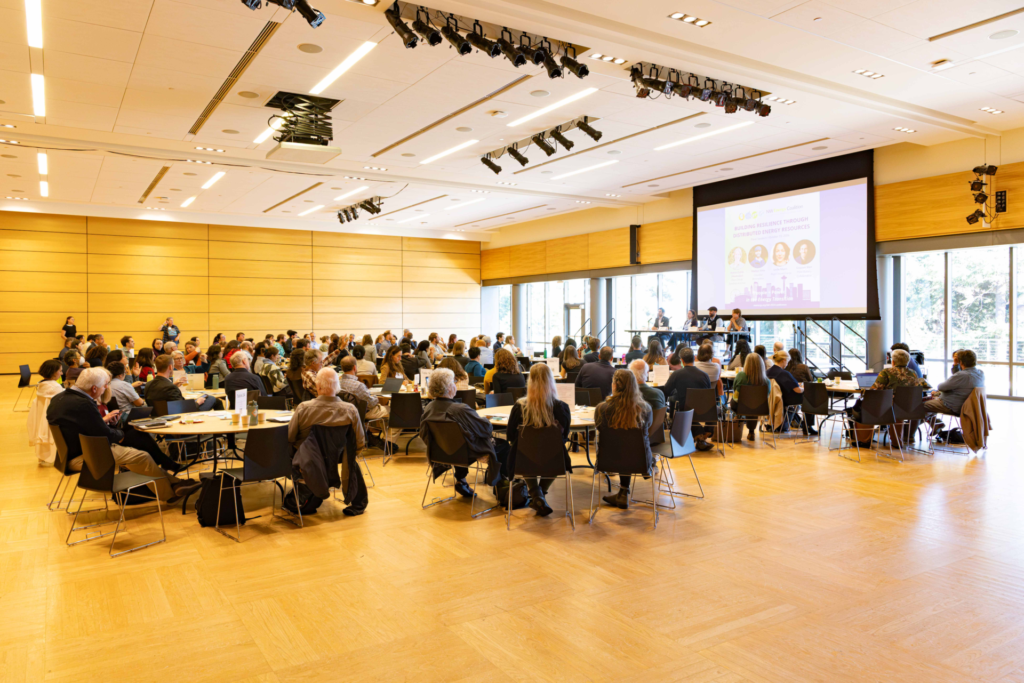
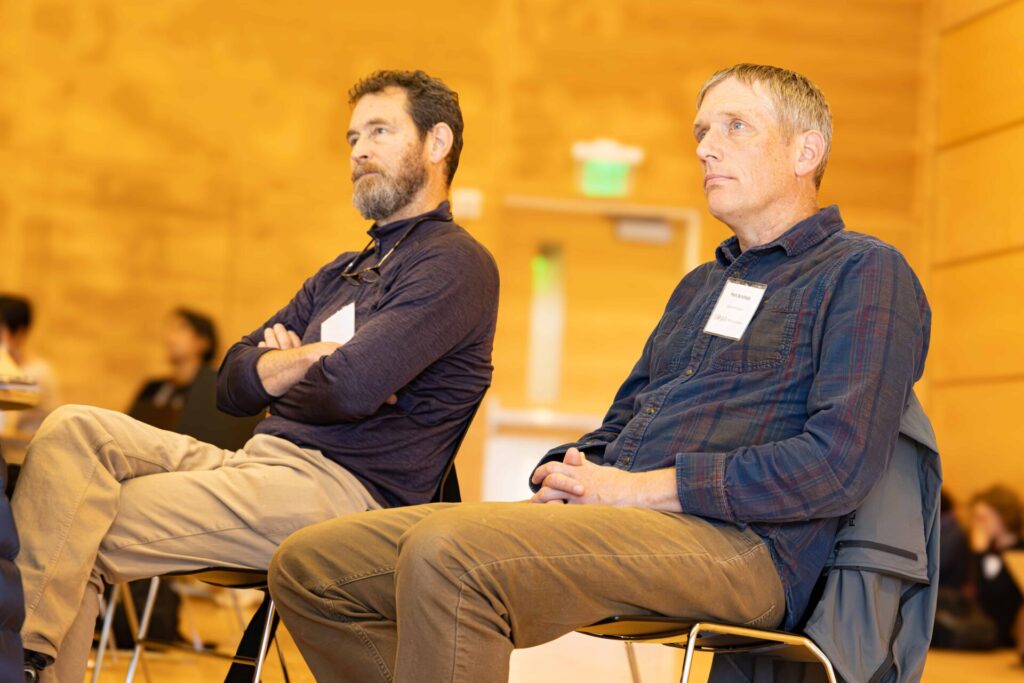
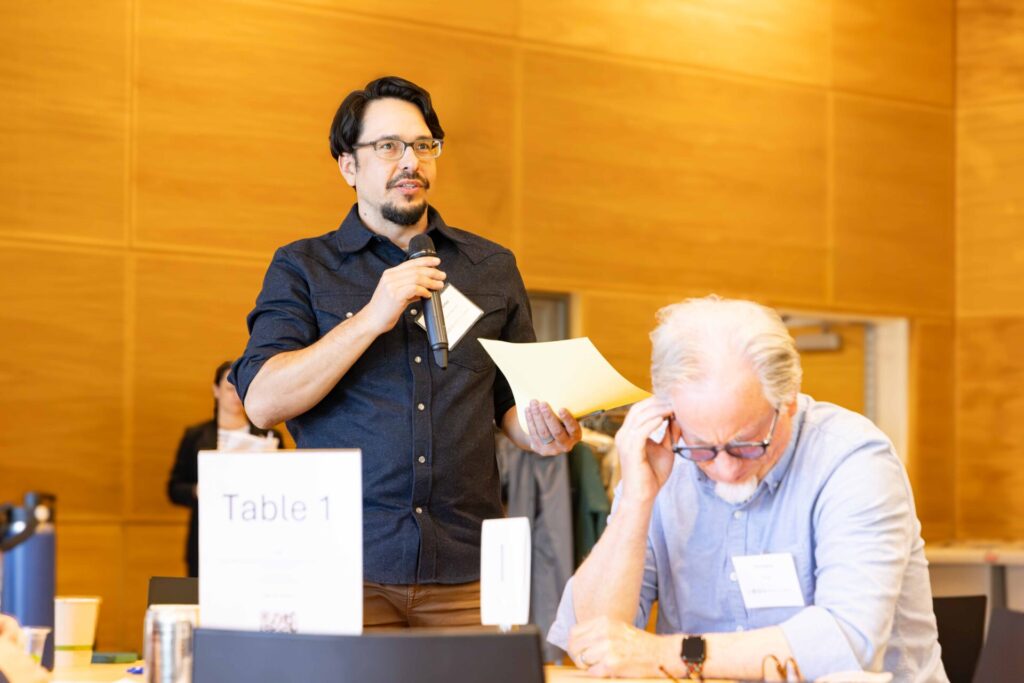
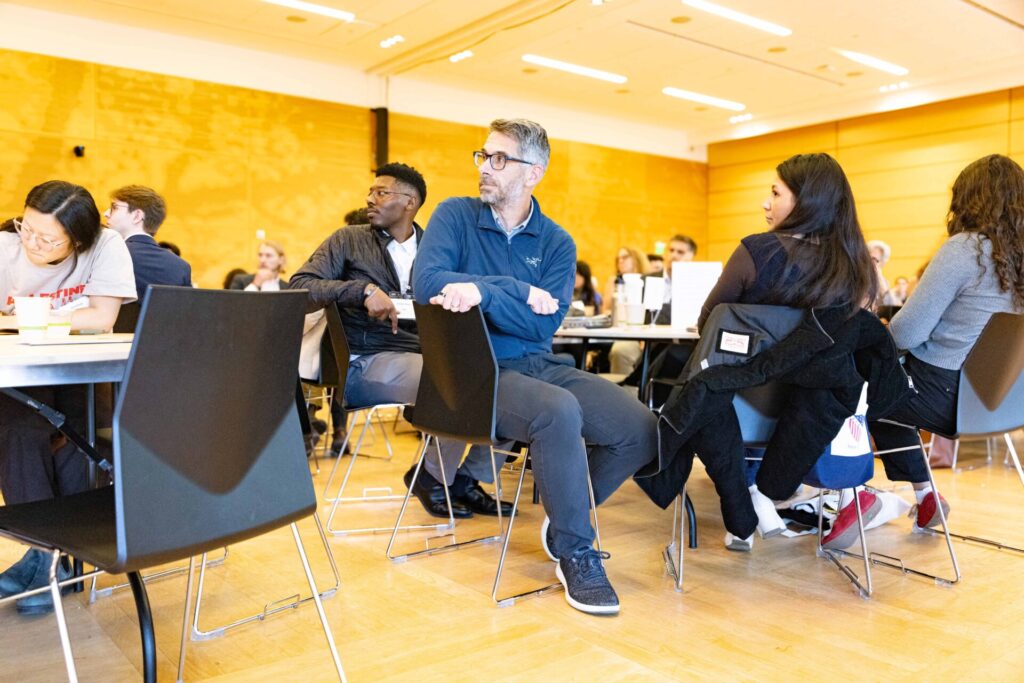
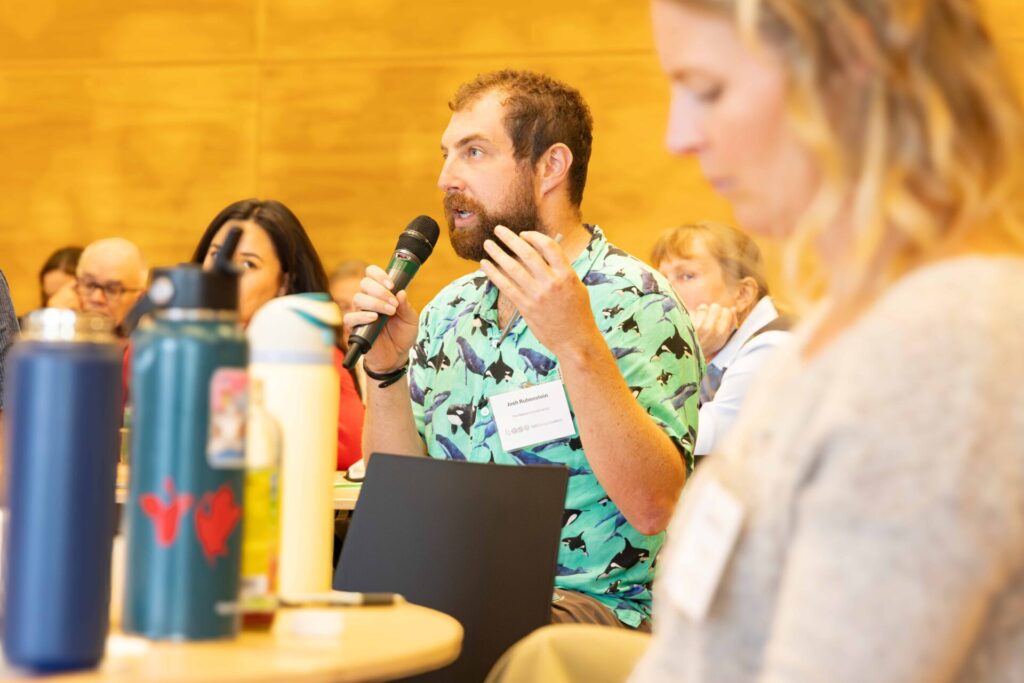

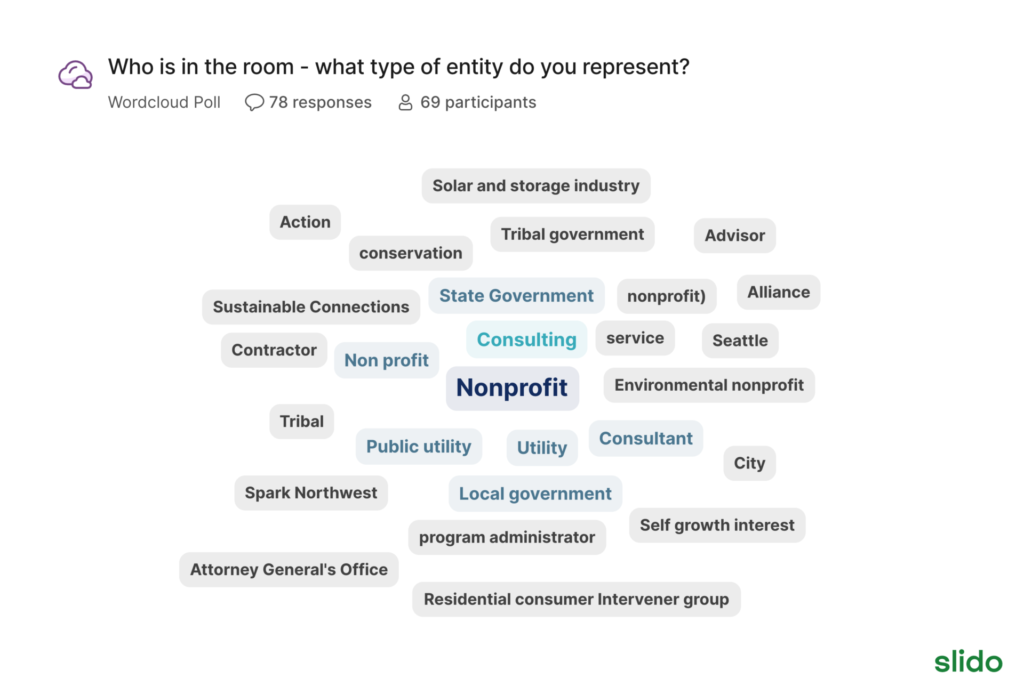
Something we love about our convenings and the coalition is the diverse group of people and organizations that collaborate to solve big problems. We surveyed the room at the beginning of the conference to learn more about who was in attendance:
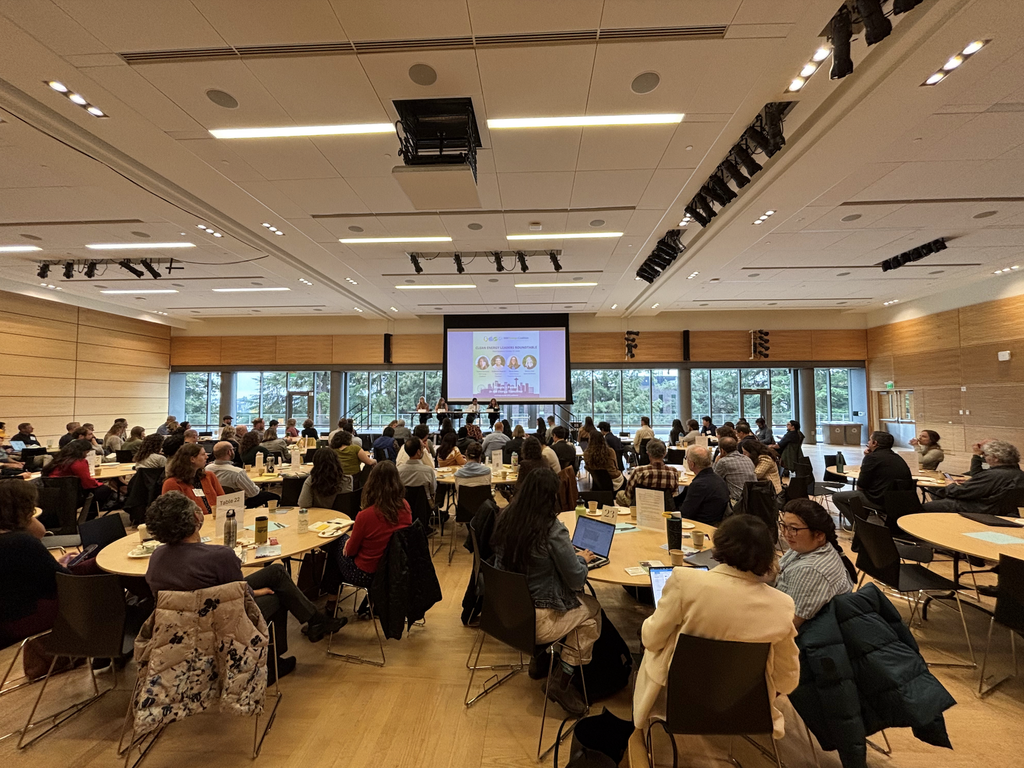
Opening: Clean Energy Leaders Roundtable
Panelists:
Tamara Kennedy, Executive Director, NW Energy Coalition
Becky Kelley, Executive Director, Clean Energy Transition Institute
Guillermo Rogel Jr., Political Manager, Front and Centered
Andrea Axel, Executive Director, Spark Northwest
Leaders from our three conference partner organizations joined NWEC Executive Director Tamara Kennedy for a roundtable to kick off the morning sessions. Tamara opened the discussion with reflections on how we are in a unique moment in time in the energy transition in the Northwest, with 2030 right around the corner. We are facing big challenges with rising costs and the effects of climate change, but also have so many opportunities with emerging technologies and grid optimization, and we’ll need to come together to work in diverse coalitions to solve big problems and create an affordable, reliable, and clean energy future for the region.
The session focused on the people part of people and power in the energy transition, and leaders reflected on how to accelerate the community transition while including communities in both policy and implementation, how to integrate qualititative research with community voices, what climate justice looks like, and how to navigate trade-offs and tensions.
Session 1—Start With Trust: Ingredients for Community-Led Clean Energy Implementation with Spark Northwest
Veena Prasad and Erika Lundahl from Spark Northwest facilitated a highly interactive session exploring practical insights into what engaging communities, navigating multiple stakeholders, and aligning projects with local priorities looks like. Participants worked through real-world scenarios in small groups and engage in a collective discussion to reflect on where policy and regulatory decisions can accelerate community-led clean energy projects and how more inclusive clean energy policy starts on the ground in local communities.
Some key reflections from the session:
- Ask affected communities what they need and want, rather than imposing solutions from the outside.
- Anticipate unintended consequences and developments.
- Early community engagement can identify problems and complications before they become roadblocks.
Session 2: Building Resilience Through Distributed Energy Resources with Clean Energy Transition Institute
Panelists:
Jeanne Currie, Clean Energy Transition Institute (Moderator)
Markus Virta, Cascadia Renewables
Leslie Myers, Puget Sound Energy
Grayson Shor, PNW Battery Collaborative
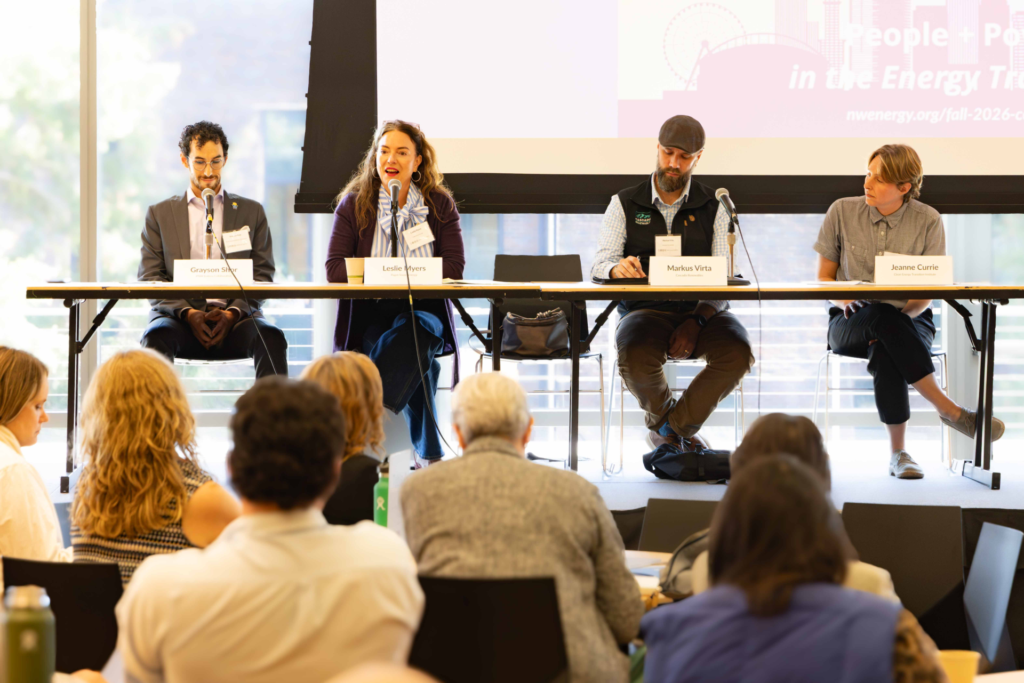
Moderator Jeanne Currie from Clean Energy Transition Institute opened the session with an overview of distributed energy resources (DERs) and how they can help support a clean energy transition and communities across the state, make buildings more comfortable, efficient, and zero-emission, and make the grid more flexible and resilient. She also discussed the work ahead to make DERs work for people, utilities, and installers.
The panelists shared their insights on how DERs can solve big challenges in the energy transition, for utilities and for communities, the barriers households and businesses face in trying to adopt them, and how to make sure the benefits from DERs are accessible to all. They also discussed opportunities for Washington and the Northwest to play a larger role in battery manufacturing, recycling, and innovation, the gaps that need to be filled to scale DER deployment, and shared their positive visions for what the future can look like if we can get DERs right.
Tabletop Discussion
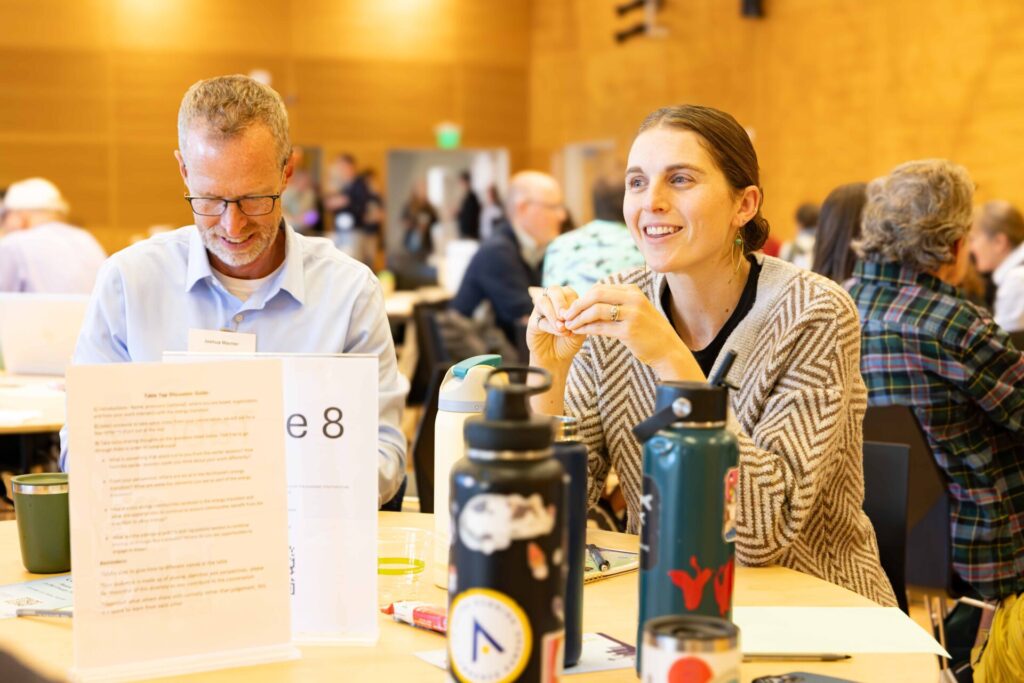
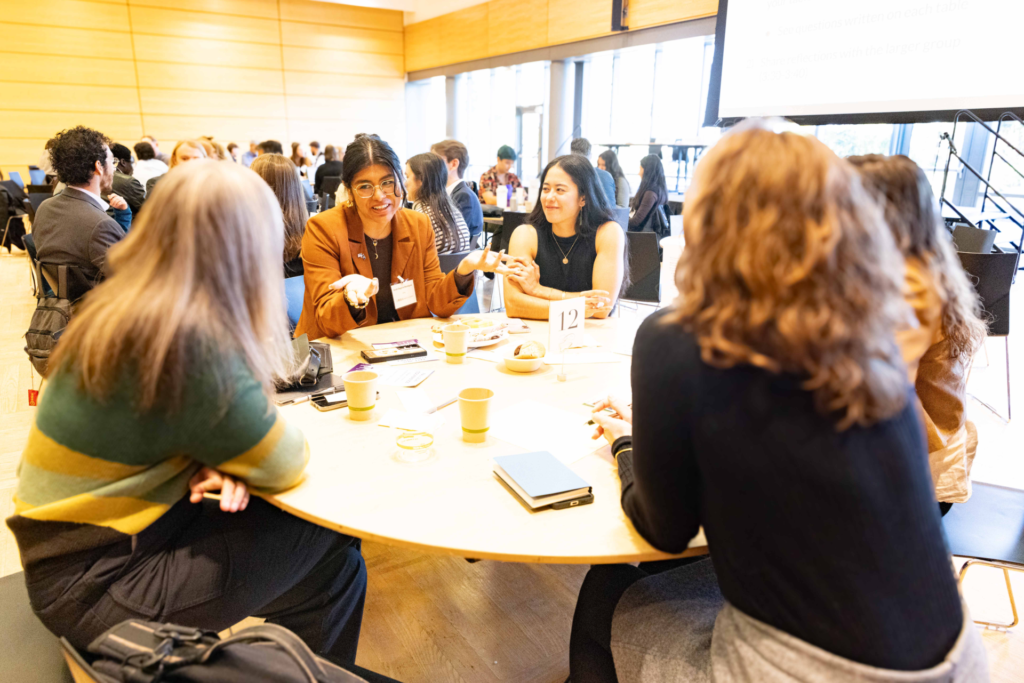
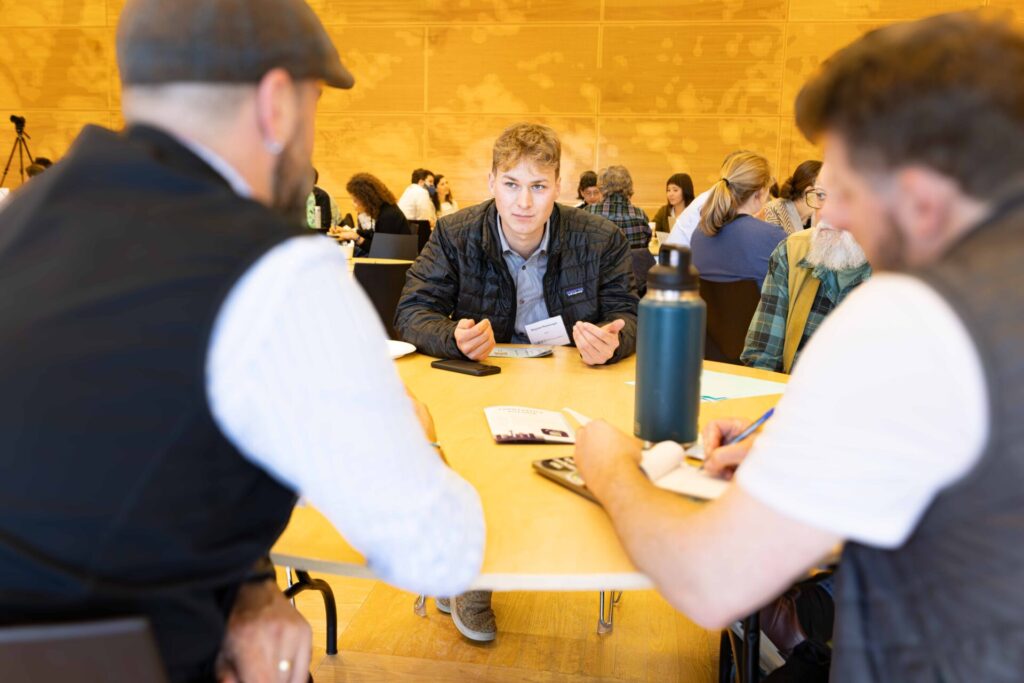
During this interactive session, participants reflected on where the Northwest is in the energy transition, opportunities for communities to accelerate clean energy adoption, and the additional policies and regulations needed to keep the energy transition moving forward.
Session 3: Data Centers and Energy Affordability with Front and Centered
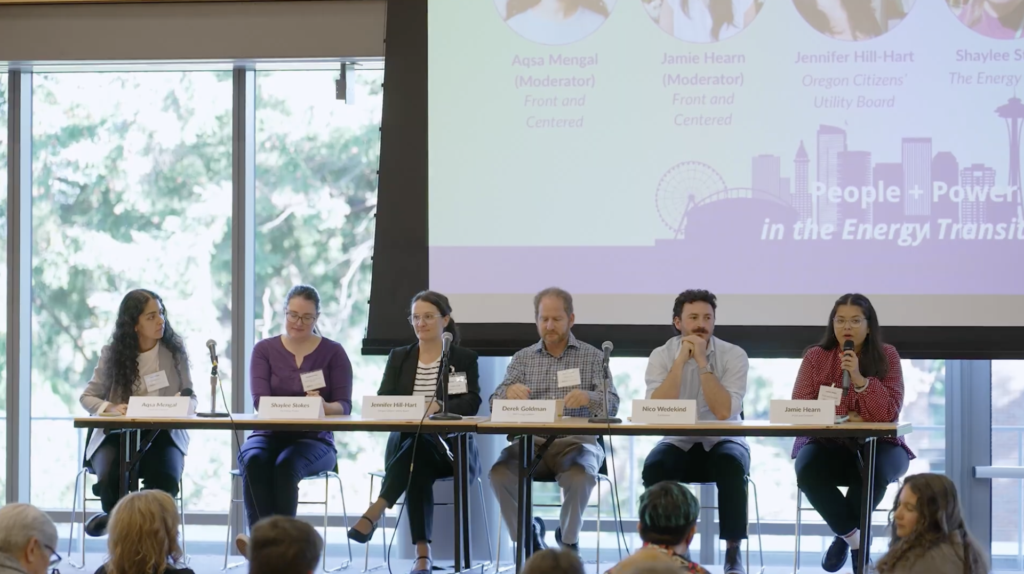
Panelists:
Aqsa Mengal and Jamie Hearn, Front and Centered (Moderators)
Shaylee Stokes, The Energy Project
Jennifer Hill-Hart, Oregon Citizens’ Utility Board
Derek Goldman, NW Energy Coalition
Nico Wedekind, Earthjustice
As data center development accelerates across the Northwest, advocates and policymakers are confronting a critical question: how can the region accommodate growing electricity demand without increasing costs for households and businesses, undermining grid reliability, or jeopardizing clean energy goals? Together, the panelists examined emerging challenges and policy solutions in Oregon, Washington, and Montana, with particular attention to protecting low-income and energy-burdened households from bearing the costs of data center expansion.
The moderators grounded the conversation in the experience of frontline communities. Jamie Hearn introduced the Energy Justice Leaders Program, a partnership between Front and Centered and NW Energy Coalition, and thanked the Russell Family Foundation for its support. Aqsa Mengal then shared findings from Front and Centered’s recent report on frontline community perspectives on data centers. Communities raised three core concerns. First, the energy demand of hyperscale data centers will strain a grid that already cannot meet existing need, threatening reliability and energy availability for the communities it serves. Second, that demand could undermine Washington’s ability to meet its Clean Energy Transformation Act commitments and lead to the reactivation of fossil fuel resources. Third, there is too little transparency about what data center build out will mean for utility rates and long term affordability. These concerns land on households that are already stretched: more than 270,000 Washington households are energy burdened, and repeated rate increases across the state continue to deepen that strain.
Panelists explored the different approaches underway across the three states. In Oregon, the 2025 POWER Act established a framework for addressing the costs associated with large energy users, with advocates now focused on implementation and additional regulatory protections. In Washington, advocates are pursuing legislative and regulatory solutions to ensure that data center growth does not worsen energy affordability, including pressing the Utilities and Transportation Commission to account for vulnerable communities in its large load proceedings, while noting that millions of Washingtonians are served by utilities outside the commission’s jurisdiction and need protections as well. Montana faces similar challenges in a very different political and regulatory environment. Derek Goldman highlighted proposals for three major data centers, including the proposed Quantica project, whose potential electricity demand could dwarf NorthWestern Energy’s current average load. Drawing on Montana’s history of resource-intensive industrial development, he emphasized the importance of establishing safeguards before projects move forward, including proposed legislation to prevent existing customers from subsidizing data center costs.
The discussion also examined national trends and legal strategies for holding utilities and developers accountable. Across the region, panelists considered who should pay for new infrastructure, what protections policymakers should require of developers, and how greater transparency, such as utilities publicly reporting equity metrics that show whether data center growth is raising energy burdens in nearby communities, and meaningful community participation can help prevent disproportionate impacts on frontline and energy burdened households. A central theme was the importance of acting early, before major investments and development decisions are locked in. The panel underscored the need for coordinated legislative, regulatory, and community advocacy to ensure that data center growth does not come at the expense of energy affordability, environmental protection, or the Northwest’s clean energy transition.
Coming Soon: NWEC Spring Conference in Missoula, Montana, May 2027
We hope to see you there! Stay tuned for more details and how to register.